
Cherokee County Arrest Log Sources
The county publishes no sheriff arrest log, no 72-hour list, and no weekly booking feed. The official sheriff site works as a contact point, not a searchable blotter. Cherokee, Marcus, and Aurelia government pages offer no police arrest feed either. Any multi-day search has to sort official records from selective reporting and archived stories.
The Cherokee Chronicle Times covers local police and court news. Its issues carry booking references. Its Friday edition gives useful context across several days. It is not a jail ledger. Editors pick which arrests become stories. A story's date rarely matches the booking time. The Marcus News adds local color but runs no standing arrest section. Aurelia has no blotter of its own.
Read Cherokee Arrest Reports Carefully
Start with a date range and an exact name. Give official sources priority over news accounts. One arrest can appear in a story, a docket, and a jail record on three different dates with three different levels of detail.
- Check the Chronicle Times and note the issue or article publication date, headline, and outlet.
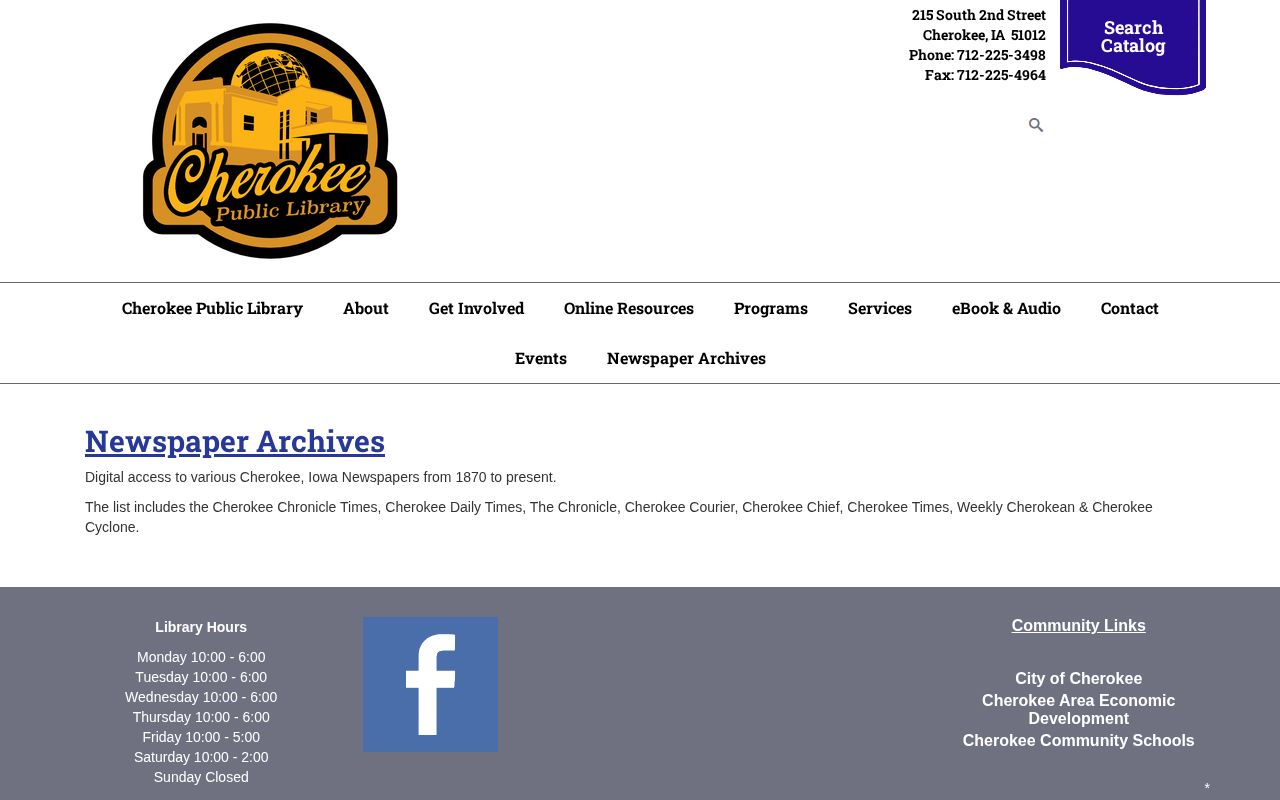
- Search the Cherokee Public Library newspaper archive by exact name and date range.
- Use Iowa Courts Online to locate a filed Cherokee County case and compare its number and outcome.
- Ask the arresting agency for the incident-side record, or the sheriff/jail custodian for a booking entry.
- For current custody, call Cherokee County Jail at 712-225-6738.
Need same-day answers? Use the Cherokee County 24 Hour Arrests page. This log reaches back across days or years; it cannot turn an archive into a live roster. For deep history, the official library archive shows the local newspaper research path.
Note: archived police and court coverage preserves selected events only, so verify each item against later court records.
Cherokee Arrest Entry Fields
No official field template exists for Cherokee County bookings. These fields simply describe what to record when data appears. Label the source beside every row. Never backfill a missing field from an unrelated directory.
| Field | How to read it |
|---|---|
| Name | Confirm exact spelling and do not merge similar names. |
| Event date and time | Separate arrest, booking, release, article, and filing dates. |
| Agency | The arresting office may differ from the jail. |
| Charge text | An charge at intake or filing, not a conviction. |
| Bond | May change after judicial review. |
| Booking number | A stable key if released by the custodian. |
| Custody or release | A time-specific status, not a permanent label. |
| Photograph | No Cherokee online publication rule was verified. |
Police write the incident or arrest report. The jail logs intake and release. Courts keep the complaint, hearings, orders, and outcome. A news article sits apart from all three, since it is a chosen account rather than the full government file.
Weekend Cherokee Arrest Reporting
Nothing supports a fixed weekend surge, Monday batch, or set delay for Cherokee County bookings. The Chronicle Times runs a Friday masthead, but that cadence belongs to the paper, not the sheriff. A Friday story may cover a Wednesday arrest. A court filing may land well after booking. An archive scan can surface long after both. Keep each date in its own labeled field.
For weekend questions, call the jail about current custody. IowaVINE tracks a covered custody event. City police can explain a citation or a release without county detention. Court records show the filed case later on. The county recent-arrests hub maps out the full custody checks and records-request routes.
Silence proves nothing. A person can be cited without ever entering the jail, released early, transferred, shielded from disclosure, or simply skipped by the news. Old pages also linger in search results long after custody ends.
Cherokee Arrest Archives and Retention
Cherokee County sets no published retention period for booking logs or booking photos. Never assume they sit available for a fixed number of days. Retention hinges on the record series, county schedules, and legal holds. Litigation and case needs also play a part. A web row can vanish while the agency record survives. A retained photo may never be posted at all.
Iowa Administrative Code rule 201-50.22 makes jail administrators keep certain listed records for two years unless another period applies. Injury reports must be kept for five years. It never claims all booking records or mugshots follow those windows. Ask which series holds the item and whether it still exists. Then ask which rule controls. An Iowa Code chapter 22 request can seek an existing public record, exemptions aside. It cannot force the county to build a custom log.
The Iowa administrative-rule page displays the specified jail record periods.
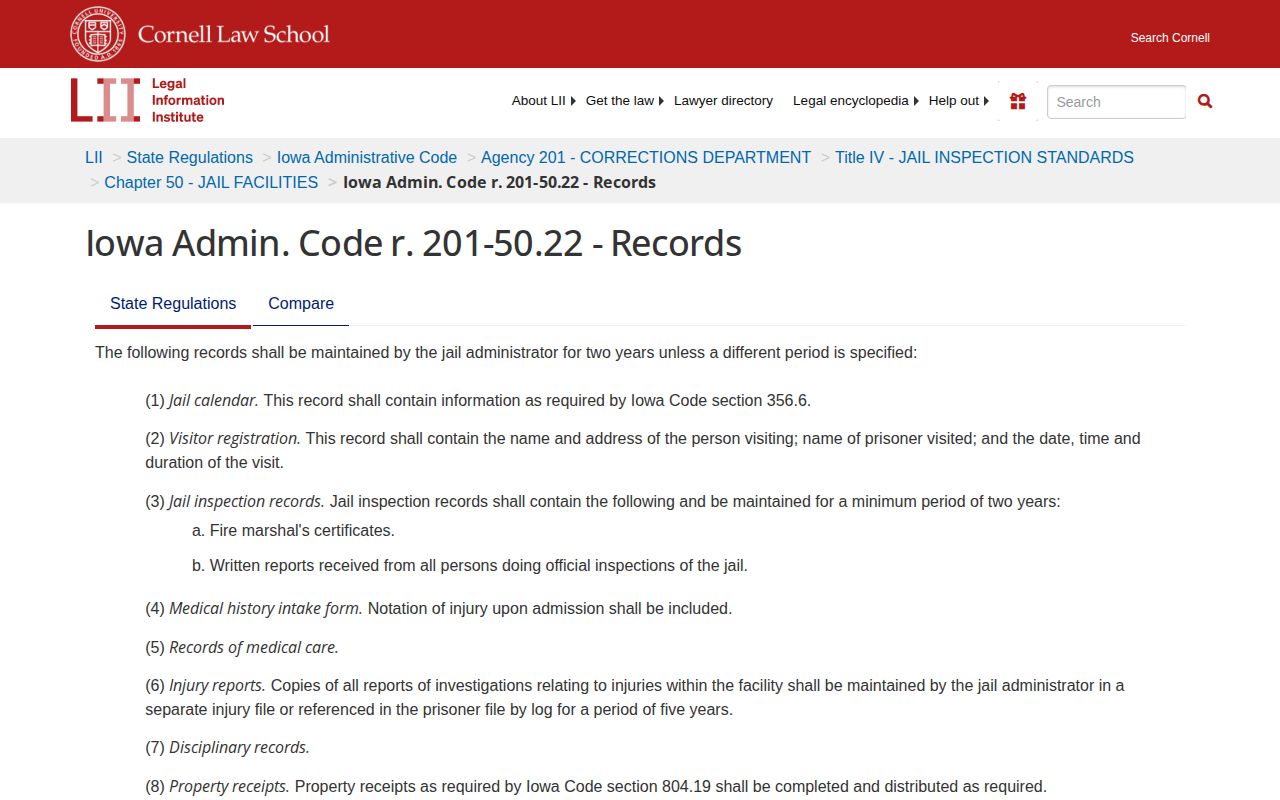
Note: that rule listing keeps the two-year baseline from being misread as a universal mugshot rule.
Older Cherokee Police News
Cherokee's newspaper past runs deep at the library. Its archive spans from 1870 forward, covering the Chronicle Times and its forerunners. Search it by name, date range, or title. Note the page number for anything useful. What you get is history, not a record of who is in custody today.
Older county paperwork lives elsewhere. The State Historical Society Cherokee County page catalogs circuit-court indexes, coroner inquests, and sheriff's deeds. A modern booking-photo series is not part of that collection. For recent arrests, ask the sheriff or jail. Ask the clerk about cases. Ask the library about newspapers. The state archive listing shows the full historical series of records.
The collections should not be advertised as a current booking or mugshot archive.
Unofficial Cherokee Arrest Indexes
Private aggregator sites sit at the bottom of the reliability ladder. The jail, police, court, and library all outrank them for Cherokee County arrest information. Busted Newspaper and Mugshots.com both show Cherokee County, Iowa links in their directories. Arrests.org and Mugshots.zone publish no usable Iowa Cherokee section. RecentlyBooked's Iowa directory omits the county entirely.
Treat these sites as leads, never as a log. Entries get copied between states, and Cherokee names collide with towns in Georgia, North Carolina, and elsewhere. A stale listing can leave out a release or a court outcome. Only the official record controls.
Note: whenever a third-party page lists a Cherokee County arrest, compare it against the official case before trusting a single detail. Check the county, the state, the event date, and the court's final word each time.
Search Public Records
Sponsored Results